
GRC Tools: Are they enough for your Compliance Efforts?
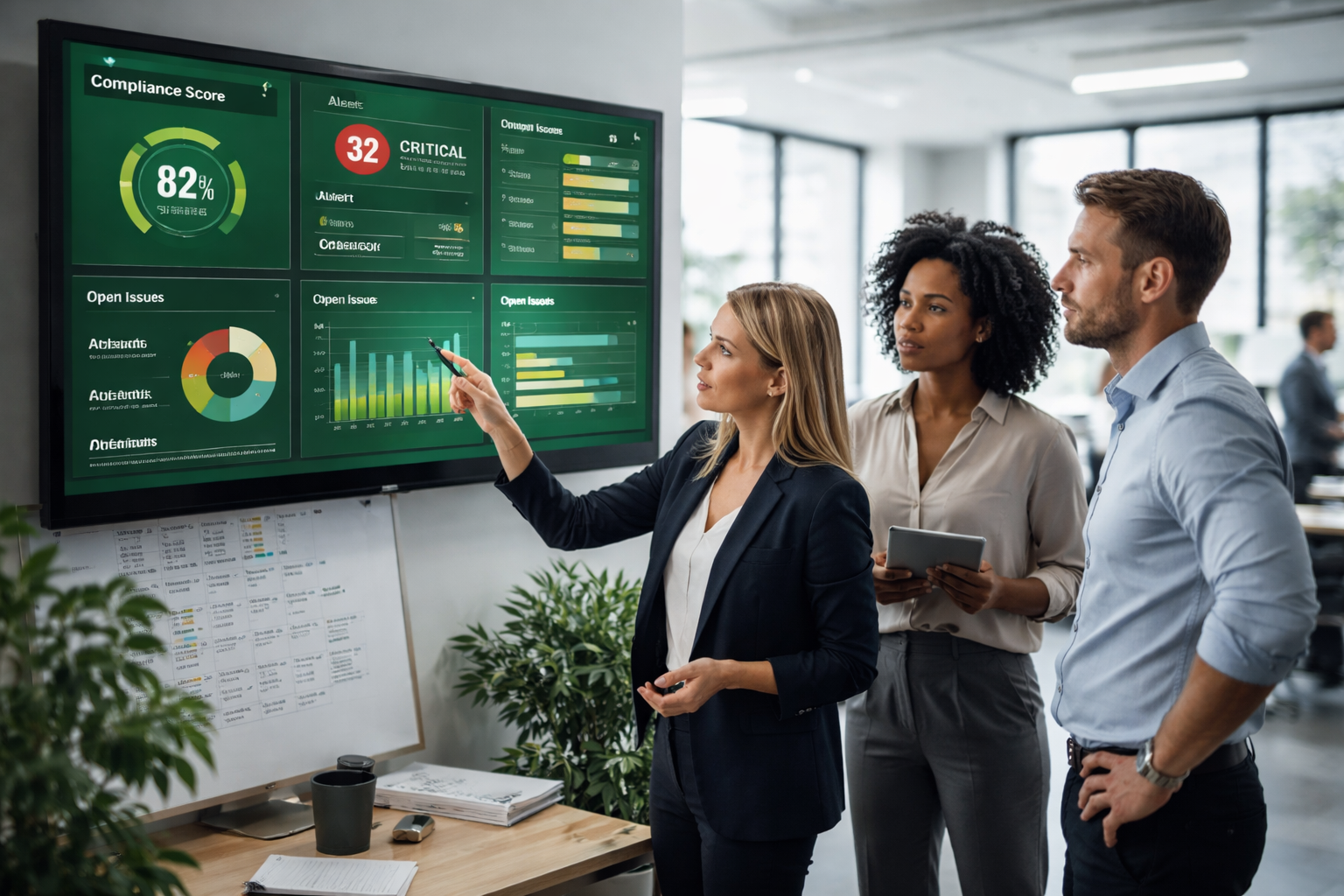
In the fast-paced world of cybersecurity, there is a dangerous temptation to believe that a software subscription is a "silver bullet." You buy the platform, connect your cloud environment, and wait for the dashboard to turn green.
But as we head into 2026 already, many organizations are discovering the "Modern Compliance Trap": a green dashboard doesn’t always mean you’re secure, or even truly compliant.
At CyberGuard Advantage, we’ve seen that while Governance, Risk, and Compliance (GRC) tools are essential, they are only one part of a much larger engine. Here is why relying solely on software might be leaving your business vulnerable.
Defining the Pillars: Why are GRC Tools Necessary Today?
Before we look at the limitations, we must acknowledge why GRC tools became the industry standard. To build a resilient program, you must understand the three pillars of GRC:
- Governance: The strategy and policies that align IT with business goals.
- Risk Management: Identifying, assessing, and mitigating threats before they become incidents.
- Compliance: Meeting the legal and regulatory requirements (such as HIPAA or GDPR) that keep your business licensed and trusted.
The Core Benefits of GRC Automation
The best GRC tools provide a "single source of truth." They eliminate the nightmare of managing IT risk assessments via scattered spreadsheets. By centralizing evidence and automating notifications, GRC tools significantly reduce the manual labor of audit preparation and provide the executive visibility needed to make informed budget decisions.
When Software Isn't Enough: The Limitations of "Set It and Forget It"
The most common mistake IT professionals make is treating GRC compliance tools like a "set it and forget it" solution.
- The Danger of Manual Processes in Disguise: Many tools claim "automation," but they still require manual evidence uploads. If you aren't auditing the "automated" data, you are flying blind.
- Garbage In, Garbage Out: A tool is only as good as the policies you feed it. If your internal controls are outdated, the tool will simply help you be "efficiently non-compliant."
- Do you manage more than two compliance frameworks (e.g., SOC 2 and HIPAA)?
- Does your team spend more than 20 hours a month on evidence collection?
- Do you have more than 10 vendors that require annual third-party risk management?
- Are you struggling to provide real-time compliance updates to your Board?
The Human Factor: Governance Beyond the Console
Software can support security programs. Some modern GRC platforms have significantly improved automation and integration. However, it cannot replace experienced security leadership as human oversight still remains essential.
A tool might flag something as a “High” risk, but someone with the right expertise needs to evaluate the situation, determine whether remediation is necessary, consider any compensating controls, and decide if the risk fits within the organization’s risk appetite.
Strong governance is more than just technology. It requires the right combination of people, processes, policies, and platforms working together.
Without the "People" and "Process," the "Platform" is just an expensive filing cabinet.
Integration: Connecting GRC to the Rest of Your Tech Stack
A standalone GRC tool is a silo. In 2026, GRC tools cybersecurity must integrate directly with your AWS/Azure environments, HR systems, and ticketing tools like Jira or ServiceNow. If your GRC tool isn't "talking" to your tech stack in real-time, you are looking at yesterday's news.
Startups vs. Enterprises: When does a dedicated platform become a "must-have"?
For a five-person startup, a spreadsheet might suffice. But as you scale, the hidden costs of manual compliance—missed deadlines, lost sales due to lack of a SOC 2 report, and audit fatigue—become unsustainable.
Checklist: Is a GRC tool necessary for you right now?
If you checked two or more, it’s time to move beyond the spreadsheet.
The Future of GRC: AI and Predictive Risk
What is a future trend in GRC tools? The shift from reactive to predictive. By 2026, AI-driven GRC tools will analyze patterns in your security logs to predict where a compliance gap is likely to occur. This "Continuous Control Monitoring" (CCM) is the next frontier in achieving true operational resilience.
FAQ: Navigating GRC Tools
Can a GRC tool guarantee 100% compliance?
No. A tool is a facilitator. Compliance is a state of operations, not a software status. You still need human oversight to ensure that policies are being implemented on the ground.
What is the difference between GRC software and a spreadsheet?
Audit trails and real-time updates. Spreadsheets are static and prone to human error. GRC tools provide a time-stamped history of every change, which is exactly what auditors want to see.
Are free or open-source GRC tools worth it?
They can be great for learning, but they often lack the robust integrations and third-party risk management features needed for modern enterprise security.
Conclusion: Strategy First, Tools Second
Why is GRC so important? Because it is the bridge between technical security and business success. But remember: a GRC tool is a compass, not the driver.
To achieve true compliance, you need a partner who understands the nuances of your industry. CyberGuard Advantage combines top-tier GRC technology with the human expertise needed to turn data into a strategic advantage.
Ready to see if your current efforts measure up? Let us help you bridge the gap between "tool-compliant" and "truly secure." Schedule a consultation with one of our GRC experts.